Skip to content

About Nic Marks

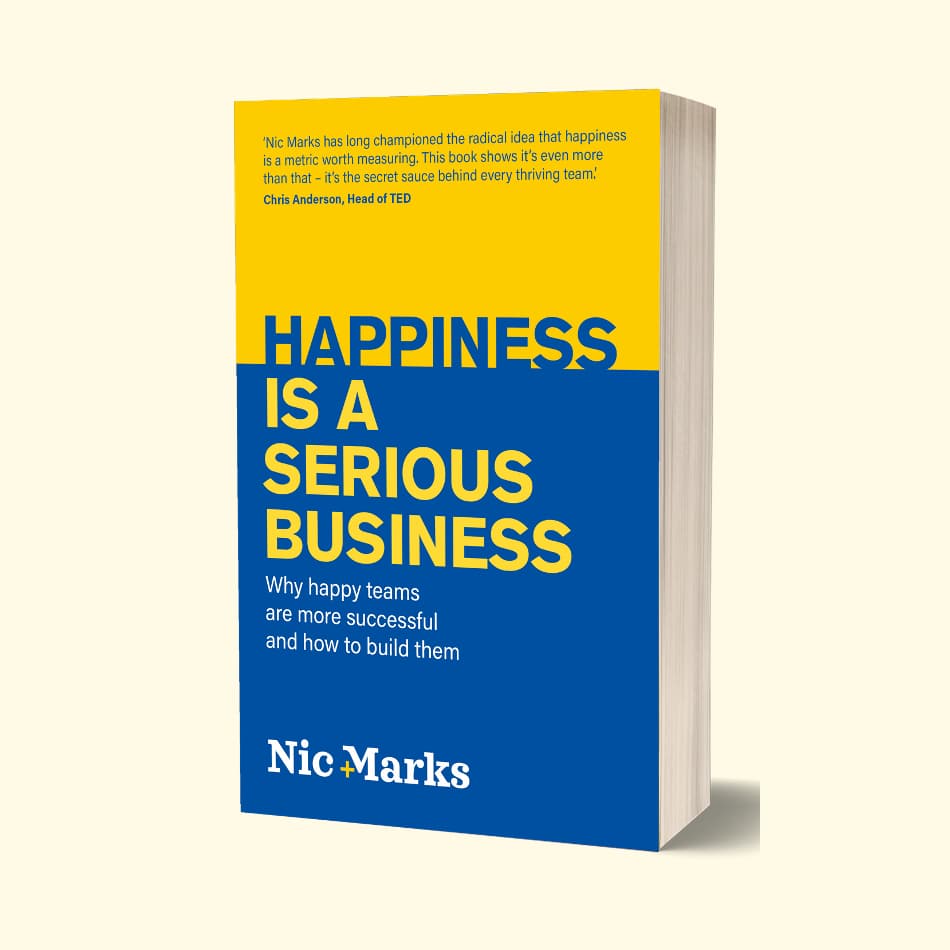
“Nic Marks has long championed the radical idea that happiness is a metric worth measuring. This book shows it’s even more than that – it’s the secret sauce behind every thriving team”

— Chris Anderson, Head of TED

His Story

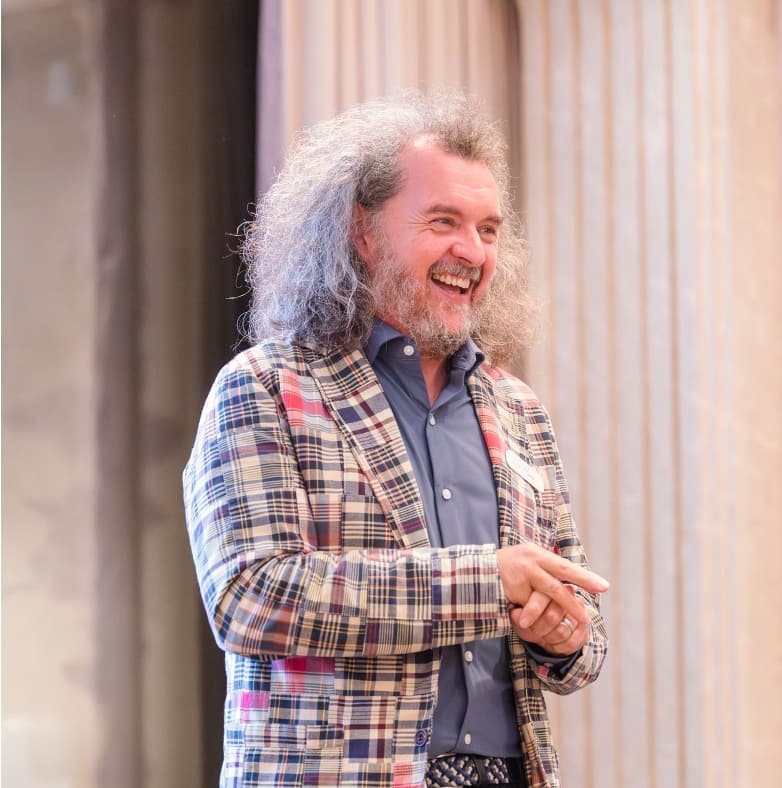
Nic Marks is a statistician, speaker and author who pioneered the field of workplace wellbeing. He read Mathematics at Cambridge before training in organisational change and psychotherapy. He went on to found the Centre for Wellbeing at the New Economics Foundation, where he created influential frameworks including the Happy Planet Index and the Five Ways to Wellbeing.

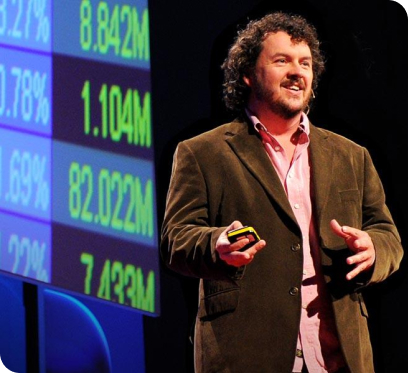
A sought-after international speaker, his TED talk has been viewed millions of times, and his TEDBook A Happiness Manifesto helped put measuring national wellbeing on the global agenda. He presented the Happy Planet Index findings at TED in 2010, and his work has since been called “state of the art wellbeing measurement” by Nobel laureate Daniel Kahneman. Today, as founder of Friday Pulse, he helps organisations measure and improve team happiness through science-led feedback.

His new book, Happiness is a Serious Business, shows why happy teams perform better—and how leaders can create the conditions for people and organisations to thrive.

Nic has taken the stage at TED and worked with organisations from Coca-Cola, TikTok and Unilever to the NHS, UNICEF and the University of Oxford.

Awards & Accolades

  • Booker's Choice – UK Speakers Awards, Highly Commended (2026)
  • Betterment of the Human Condition Award – International Society for Quality-of-Life Studies (2006)
  • Top Ten Thinkers – Directors Magazine (2010)
  • No.1 Idea of the Year – Forbes Magazine (2010)

Book a call with Nic

Nic is one of the most original and inspiring voices in today's vital debate about well-being and happiness. He has that rare gift of communicating both engagingly and with authority.

Jonathan Porritt, CBE, Founder of Forum for the Future

Some of the organisations Nic has worked with
TEDCoca-ColaTikTokUnileverKPMGJohnson & JohnsonEYGallupMorgan StanleyFitbitGlassdoorJohn LewisRoyal Bank of ScotlandNational GridNHS TaysideUNICEFUniversity of OxfordUniversity of CambridgeHome Office
Elaine Watson

Nic’s keynote ‘Happiness is a Serious Business’ was compelling. His evidence-based approach shows why happiness is critical to organisational success — breaking through even sceptical mindsets. Weeks later, the buzz hasn’t dissipated.

Elaine Watson
Director of People and Culture, NHS Tayside

Some highlights from my career

My first full length book is published by ReThink Press. It took me three years to write but feels so worth the effort.

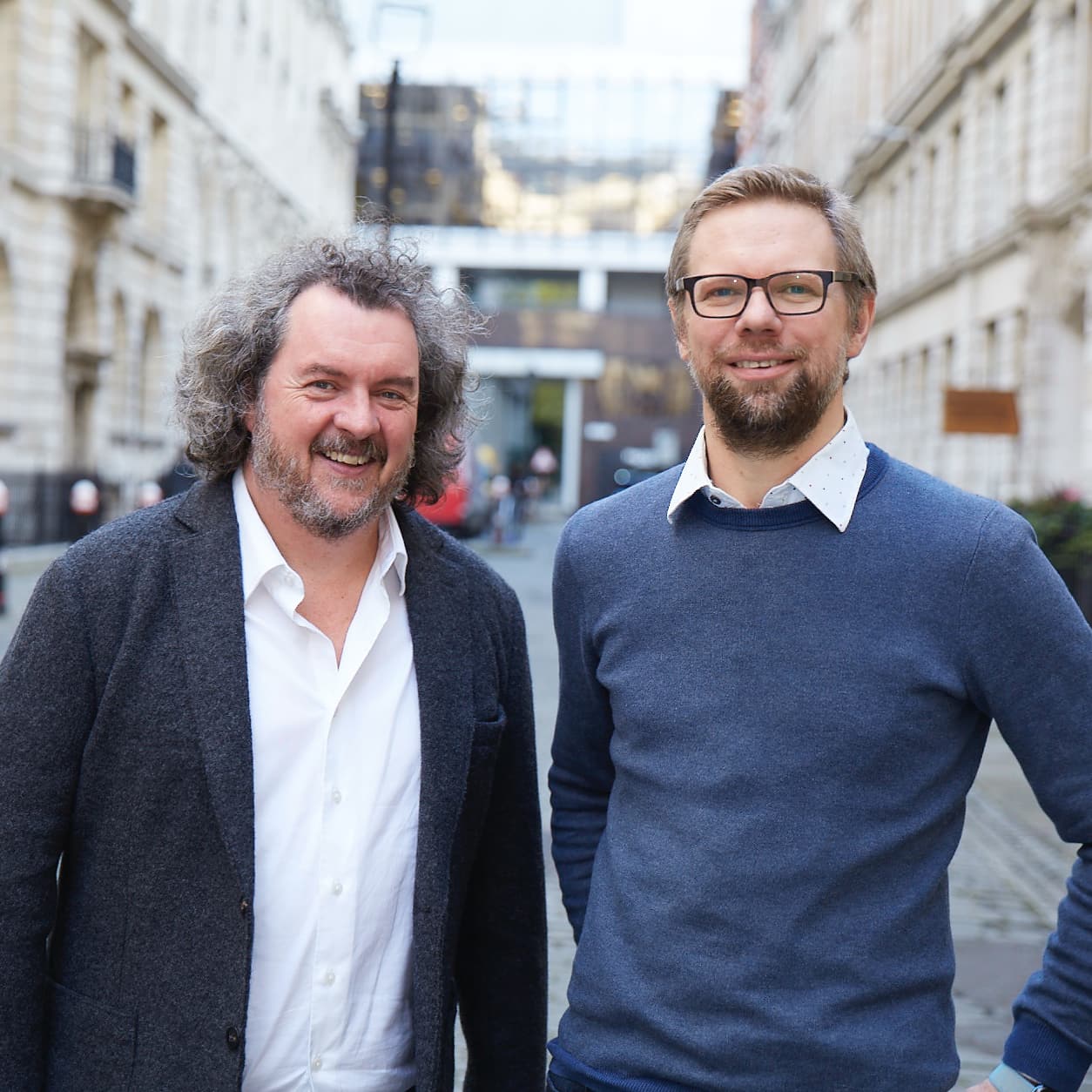
In 2012 Rich Aston and I founded a business to understand, track and build team happiness. It is now known as Friday Pulse and has hundreds of clients.

A study of wellbeing across 23 European countries. Nobel prize-winner Daniel Kahneman called it “state of the art wellbeing measurement”. One highlight was working with the Himalayan kingdom of Bhutan on its Gross National Happiness.

A 2008 project with Jody Aked for the UK’s Government Office for Science. They wanted the equivalent of five fruits and vegetables... for wellbeing. Our findings were picked up globally by public health authorities (now it’s a foundational reference).

Answering that question led to the HPI, a metric that continues to show that good lives don't have to cost the earth. Using this I consulted various governments on how to think about wellbeing. I presented the findings at TED in 2010.

Walking with Monty I saw a power station from the top of a green hill overlooking the Thames. An equation struck me: **Could society divide its modern lifestyle and wellbeing by its environmental cost?** Could I calculate this efficiency, statistically?

Joining *The New Economics Foundation*, I built a team and for the next 12 years we explored an idea in the spirit of Max-Neef: **what would policy look like if people's wellbeing was its aim?** The science of happiness was just emerging.

Between the London School of Economics' basement and Tim Jackson's tiny office near Smithfield's meat market, we worked on my first big question: how can we create a language to talk about what a sustainable future looks like?

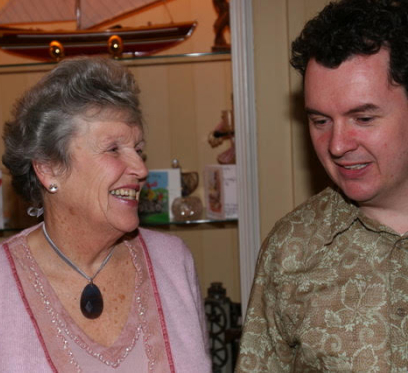
Unsure of my next move, my interest in people led me to follow my mother's lead to become a trained therapist. Mixing psychology with economic statistics excited me. I was ready to get back into the numbers.

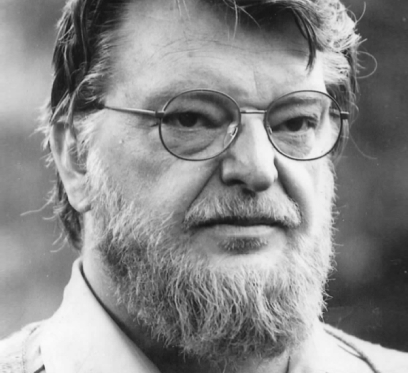
After I quit the firm, my father (anxious for my future!) took me to see Chilean Ecological Economist, Manfred Max-Neef. Manfred thrills me with the idea that most people don't ask big enough questions. Cue a lifelong mentorship.

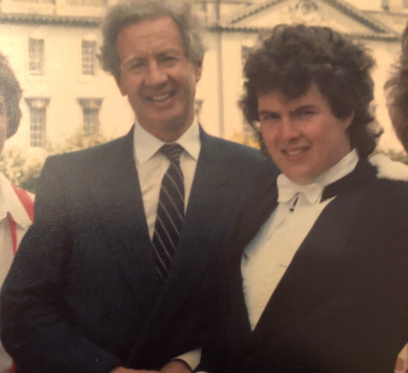
However upon leaving university I immediately made a poor decision: joining an American management consultancy—just because I was told it was hard to get.

An early memory was my fascination with powers of two. Counting with my father 2, 4, 8… 128… 16,384… trying to get one further each week.